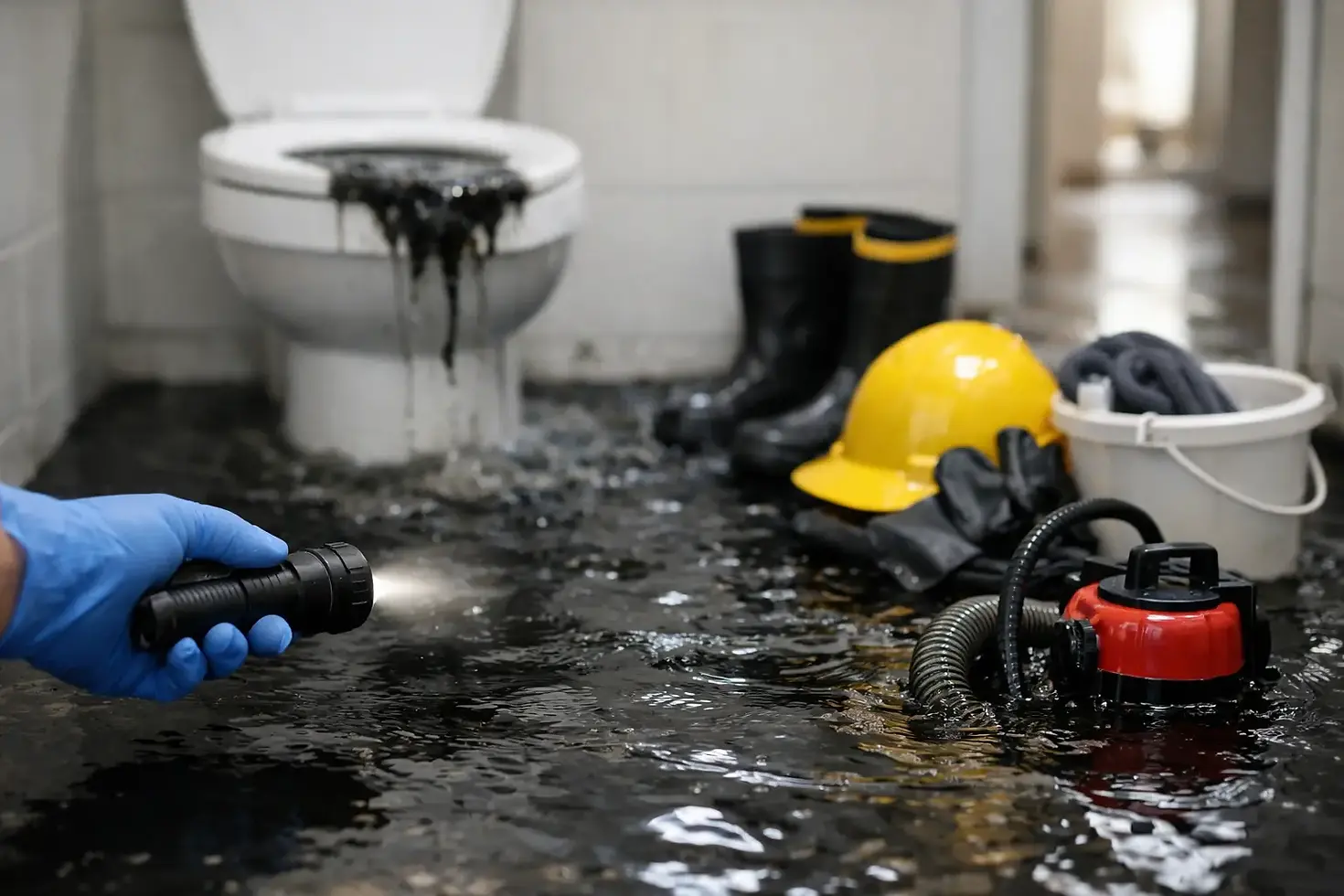
Is Black Water Dangerous? What to Do First
A toilet backup across the bathroom floor, floodwater entering a finished basement, or a broken sewer line is more than a cleanup problem. If you are asking, is black water dangerous, the answer is yes. This type of water can contain sewage, bacteria, viruses, parasites, and other contaminants that create health risks and can permanently damage parts of a property.
The right response is not to start mopping and hope for the best. Keep people and pets away, stop the water source if it is safe to do so, and arrange for professional assessment and contaminated-water cleanup as quickly as possible. Fast action helps limit exposure, prevents contamination from spreading, and reduces the chance of mold and structural damage after the visible water is gone.
What Is Black Water?
Black water is the water-damage industry term for heavily contaminated water, often called Category 3 water. It may come from a sewer backup, an overflowing toilet containing waste, a failed septic system, or flooding from rivers, storm drains, and other outdoor sources. Water that starts relatively clean can also become black water after moving through contaminated building materials or sitting long enough for microbial growth to develop.
Despite the name, black water is not always black in color. It may look gray, brown, cloudy, or even relatively clear. The source matters far more than the appearance. A small amount of water from a backed-up toilet can require a much different response than a clean supply-line leak because the contamination level is fundamentally different.
Gray water, such as water from a washing machine or shower, is less contaminated but still requires prompt drying and cleanup. When gray water contacts sewage, soil, floodwater, or unsanitary materials, it should be treated as black water. In an active water-loss situation, it is safer to assume contamination is present until the source can be identified.
Is Black Water Dangerous to People and Pets?
Yes. Exposure to black water can cause illness through direct skin contact, accidental ingestion, or contact with contaminated surfaces. The specific hazards depend on the source, but sewage-contaminated water may carry bacteria such as E. coli and Salmonella, viruses, parasites, and chemical contaminants.
The risk is especially serious for children, older adults, people with weakened immune systems, and pets. Even healthy adults should avoid entering affected areas without proper protective equipment. Walking through contaminated water can spread it onto flooring, furniture, stairs, vehicles, and other areas of the home or business.
Health symptoms after exposure can range from skin irritation and eye discomfort to nausea, vomiting, diarrhea, fever, or respiratory issues. Anyone who experiences symptoms after sewage exposure should contact a medical professional. If wastewater has entered a kitchen, child care space, health care setting, restaurant, or other sensitive environment, the response should be immediate and carefully documented.
The danger does not disappear when standing water is removed. Contamination can remain in porous materials, beneath flooring, inside wall cavities, and in dust left behind after drying. That is why surface cleaning alone is not a reliable solution for a black-water event.
What to Do Immediately After a Black-Water Backup
Your first priority is preventing exposure and containing the affected area. Do not allow children, pets, tenants, customers, or employees to enter the space. Close doors where possible and avoid tracking water into unaffected rooms.
If you can safely stop the source, do so. For example, stop using toilets, showers, sinks, and appliances connected to the affected drain line. If the issue is caused by an overflowing toilet, shut off the water supply valve behind the fixture only if you can reach it without stepping into contaminated water. For a suspected sewer-line issue, stop running water throughout the property until a qualified professional advises otherwise.
Avoid using a household vacuum, shop vacuum, or ordinary mop to remove sewage-contaminated water. These tools can spread contaminants and are difficult to sanitize afterward. Do not turn on fans or HVAC equipment that could move contaminated air or moisture into clean areas.
Take photographs or video from a safe location before cleanup begins. Document the source, water level, affected rooms, visible damage, and damaged belongings. This information can support an insurance claim and help establish the scope of professional restoration work.
If contact cannot be avoided, wear appropriate protective equipment, including waterproof gloves, waterproof boots, eye protection, and protective clothing. However, protective gear does not make do-it-yourself cleanup a good choice for a significant sewage loss. Black-water removal often requires specialized extraction equipment, controlled demolition, antimicrobial treatment, and professional drying verification.
Why Contaminated Materials Often Need Removal
Hard, nonporous surfaces can sometimes be cleaned and disinfected when they are structurally sound and accessible. Porous materials are a different matter. Carpet, carpet padding, insulation, upholstered furniture, paper products, particleboard, untreated wood, and drywall may absorb contaminated water quickly.
Once sewage reaches these materials, cleaning the visible surface is rarely enough. Contamination can remain inside fibers, backing, padding, and cavities where it cannot be fully disinfected. In many cases, affected porous materials need to be removed, bagged, and disposed of safely to protect the building and its occupants.
The extent of removal depends on the source, how long the water was present, the materials involved, and whether contamination traveled beneath finished surfaces. A professional assessment helps distinguish materials that can be restored from materials that create an ongoing health or odor problem.
Professional Cleanup Is More Than Water Extraction
Extraction is the first step, not the finish line. A proper black-water response begins with identifying the contamination source and establishing containment so dirty water and debris do not spread through the property. Technicians then remove affected materials, clean and disinfect salvageable structural components, and use commercial drying equipment to bring moisture levels back under control.
Moisture monitoring is critical because water can move behind baseboards, under flooring, into wall cavities, and beneath cabinets. Leaving hidden moisture behind can lead to mold growth, warped materials, odors, and avoidable repair costs. Documentation of the affected area, removal work, drying progress, and final conditions also gives property owners a clearer record for insurance purposes.
For homeowners and commercial property managers, this coordinated approach reduces confusion during an already stressful event. Drytek Solutions focuses on the urgent work that protects the property first: controlled extraction, contamination removal, structural drying, and clear support through the restoration and claims process.
Protecting Your Insurance Claim While Acting Fast
Do not delay emergency mitigation while waiting for an insurer to make a decision. In most cases, property owners are expected to take reasonable steps to prevent additional damage. That means stopping the source when safe, protecting unaffected areas, and arranging qualified mitigation promptly.
Keep photos, videos, receipts, emergency service records, and a list of affected contents. Do not throw away damaged items before documenting them unless they present an immediate safety concern. If materials must be removed due to contamination, clear records of their condition and location can help support the claim.
Coverage varies based on the cause of loss and the details of the policy. A sewer backup endorsement, flood coverage, maintenance history, and whether water entered from outside can all affect the claim. A restoration contractor can document the mitigation work, but the insurer makes the final coverage determination.
Do Not Wait for the Smell to Get Worse
A sewage backup may feel manageable when it is limited to one bathroom or a corner of the basement. The problem is that contamination and moisture can spread beyond what is immediately visible. The longer water remains, the more likely it is to affect flooring, walls, contents, and indoor air quality.
Treat black water as an emergency, even when the affected area seems small. Keeping people out, stopping use of the plumbing, documenting the damage, and getting qualified help early gives you the best chance of protecting both the property and the people who rely on it.


Comments